
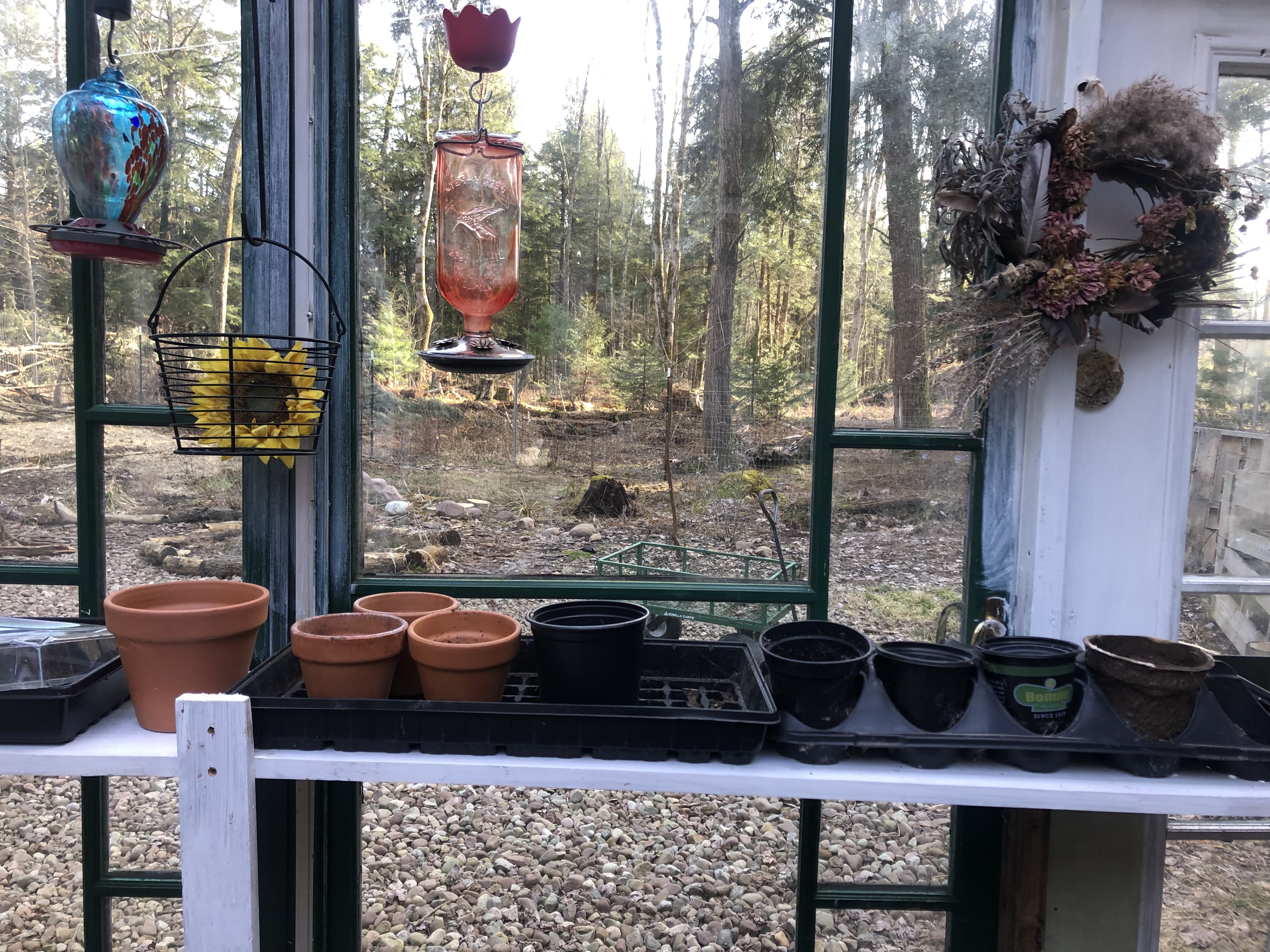
There’s nothing like working in the garden. Strange thing really. Spending the day getting sweaty and dirty, tiring yourself digging, lifting and pulling, on your hands and knees. Bones crunching and muscles cramping. But there’s something so deeply fulfilling about planting, growing and hopefully harvesting. It touches us deep in our souls. You couldn’t imagine spring without starting the journey again, armed with past experience and renewed determination. Gardening reminds us to have hope. And to dream.
Dreaming of an English Country Garden
English country gardens, you will probably agree, are so magnificent – bursting with personality and brimming with color. A long mild growing season for most areas of the UK means a prolific abundance of flowers, shrubs, and vegetables. I love the stone paths, trellis and hedges that let you meander through them. I love the informality of the plantings tripping over each other to steal the spotlight. It is my dream for my garden so I was curious to hear what my family in England was up to preparing for spring as they all are seasoned gardeners with lovely gardens.
My cousin, Jacqui who lives in Sussex, the southern coast of England, started her English country garden from scratch. I asked what she had on her spring chore list:
- Having left all flowered seed heads for the birds over the winter, I’m starting to tidy up and cut back all old dead heads, ready for new growth.
- I’ve hard pruned all my rose bushes to encourage this year’s blooms, and cut off dead stalks of all my lavender bushes. Have also cut back wisteria, clematis, jasmine and honeysuckle, with spring growth already starting.
- Have given my straggly forsythia bushes a haircut just before they bloom yellow for Spring.
- Am wanting to get summer bulbs in the ground now that the earth is a bit warmer.
- Just waiting for the rain to stop long enough for the lawn to dry out for its first cut of the year.
- Am racing to cut back overhanging tree branches, climbing ivy and anywhere that blocks light, before the birds start nesting again.
- Now is a good time to dig up bramble roots whilst you can see the earth, before surrounding shrubs get their foliage again. Our overgrown garden had a LOT of brambles but each year I manage to get rid of a few more (except for the ones that actually have blackberries in the Autumn!)
- My neglected allotment needs a big weeding session before I can plant vegetables in a few months’ time.
- Gosh, I’ve been busier than I thought.
No kidding, Jacqui. I have some serious catching up to do.
This year’s plan: to get to a half acre garden
I am guesstimating I can have about half an acre of cleared land around my cabin that can be turned into garden spaces. I heard some good advice from another English gardener who was starting a garden in an abandoned lot. She suggests creating one bed at a time and building on it over the seasons. That way you can establish some plants and have some successes to keep you motivated. Trying to turn a large space into a garden in one season is an overwhelming challenge and doesn’t let you enjoy any fruit of your hard work (pun intended). This process has worked for me. Last year, I doubled my garden beds so I am hoping to do that again this season.
I am currently building short fences around each area to keep the dogs out by dragging long logs out of the woods. I laid down all the cardboard I have and will next be moving soil from a recently cleared section of woods into my beds. Then adding compost and mulch. All this by mid-May when the seeds need to go in and seedlings from the greenhouse get transplanted.
I spent last week also tackling my brambles. Those thorny stems are stubborn, but like Jacqui, I am also keeping some bushes that actually produced fruit last year and hope to keep them contained to one area. I also have wild strawberries everywhere. They can make for good ground cover and the little white flowers are so pretty. I am leaving them in places where I have yet to plant to keep the soil protected and nourished.
Next chore on my list is to dig up clumps of perennials like salvia, sedum, day lilies, and hosta to divide them for more plants! All you have to do is use back-to-back forks to gently pull them apart. Replant the ones you want left in their original space and transplant the other clumps to new areas. Just keep them well-watered while they get established. I am looking forward to seeing these beauties in different areas of my garden.
As a fledgling homesteader looking to make an income from my land, I will be growing a ton of flowers for cutting to take to market. Last year, I had success with sunflowers, cosmos, and dahlias, so I am definitely expanding my varieties as well as looking for flowers that bloom at different times so I always have stock.
I have already cleaned the greenhouse and prepared my pots ready for seeds. I planted 50 tulip bulbs in stone pots (which I cast) and tucked them under plastic in hopes they will be blooming for the three farmers markets I will be participating in. It’s an experiment. I also moved some rosemary and mint plants from my cabin into the greenhouse – more as a test of my greenhouse’s climate as I am still learning how to use this space.
I will be blogging about this journey to having a cut-flower business in addition to my candle company. I would love any advice you have about growing lovely stems so please send me your thoughts in the comments.
A big thank you to Jacqui for her contribution to this post. ❤️
And… Happy 80th Birthday to my Uncle Bob whose lovely gardens have inspired me (credit also to my Aunt Pam). Keep on digging, Uncle! 😍
please note that this post contain links to affiliate websites, and I receive an affiliate commission for any purchases made by you on the affiliate website using such links. Dandelion +Burdock is a participant in the Amazon Services LLC Associates Program, an affiliate advertising program designed to provide a means to earn advertising fees by linking to Amazon.com and affiliated websites
Leave a Reply