
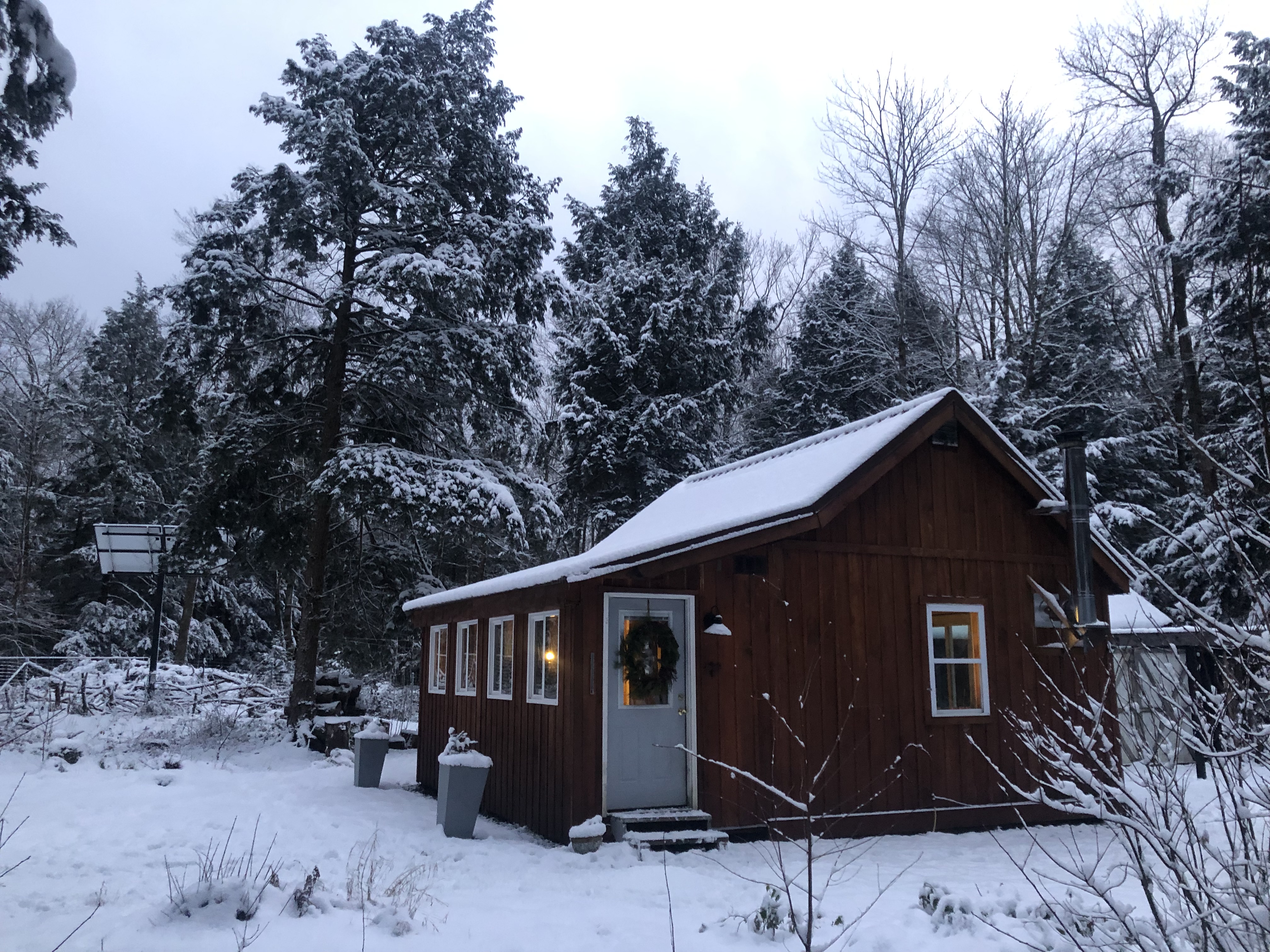

With the chaos in the world right now and the heavy reliance we have on communications and technology to get us almost everything we need to live, I have a few easy-to-implement tips to help you feel more prepared in case of a weather disaster, technology disruption, or communication outage. Living off-grid has taught me how to thrive through winter storms and limited solar energy. Being prepared is essential for everyone, so whether you follow my tips or others, please get prepared.
- This is a very good tip I learned on a prepping video. Keep cash on hand. I hadn’t thought about that before, but it makes so much sense. If communications go out, electronic cash methods become useless. Having cash on hand with still let you buy food, water, prescriptions, gasoline, or a cab. I think $500 would be plenty for me but you might want to have more if you have family members or live in an expensive place.
- Maybe a no-brainer, but I can’t emphasize enough to have stored water by the gallon, rotating them as you use it. For around a buck, each gallon is fresh drinking water for at least 2 days when the water supply isn’t working or contaminated. I prefer the 2.5-gallon containers. Although I hate plastic, these are a lifesaver and there are lots of ways to reuse the jugs as they probably won’t be recycled. I refill mine with rainwater for watering my garden when in a summer drought so I don’t run my well dry.
- Get yourself a bright lantern. When the power is out, a flashlight is essential, but having a really good camping lantern will illuminate a room so you can see what you’re doing. When my solar goes out and it’s really silly to turn on the generator for an hour or so, I use my camping lantern to get ready for bed and it just feels like an alternate lighting source, not an inconvenience at all. Also having candles and a wood stove creates a cozy space sans electricity, but that’s up to you and your capacity.
- Having stored canned or dried food is fundamental, but I suggest you make sure you have food you will want to eat. In case of road closures or other obstacles stopping you from getting groceries, having a backup supply of yummy food just makes life much better. My favorite items to have on backup are of course, dried beans, rice, pasta, tomato sauce, and dried cheese. But to make things a thousand times better, I also store nuts like roasted almonds, dried salami, tea biscuits, tuna and/or kippers, dried fruit, and an assorted of canned vegetables like mushrooms, beets, corn, artichoke that make a yummy soup. I also always have yeast, flour, oil, sugar (and chocolate chips) for baking as well as dried herbs and other long-lasting condiments like dressing, mustard, and soy sauce. Ground coffee, drink powders like lemonade, and boxes of herbal tea will enhance water intake. Ramen is cheap but is pointless to eat, so I only keep a few packs. Root vegetables stored in a cool dry place will last a few weeks so I like to have a full basket of squash, potatoes, onions, garlic, cabbage, and other hearty varieties. I dream of having a root cellar but for now, I can rotate these items on a month to two-month basis.
- No heat? Yeah, this one is probably the worst as it’s almost impossible to be productive when cold. I have relied on a kerosene heater that can warm about 1000 square feet. Kerosene is a fairly cheap fuel that you get at gas stations or hardware stores, and you can safely store a lot of kerosene in a small space at home. When using make sure there is some air exchange like a cracked window but other than that I think this heater is the easiest and safest backup. Kerosene is a low-volatility fuel that contains a lot of energy so it’s a very safe fuel. Kerosene heaters are inexpensive, small, and portable. Both the heaters and the fuel are easily portable.
Final thoughts
I am guilty of getting rid of most possessions as I am a minimalist, but even so, having a few books, records/CDs, puzzles and crafts will help pass the time. I also recommend having printed versions of your local and state maps, recipes, and other important information you may need stored in a binder for these emergencies. Stay safe out there!
AFFILIATES DISCLAIMER
The Site may contain links to affiliate websites, and we receive an affiliate commission for any purchases made by you on the affiliate website using such links.
We are a participant in the Amazon Services LLC Associates Program, an affiliate advertising program designed to provide a means for us to earn advertising fees by linking to Amazon.com and affiliated websites.
Leave a Reply